Hey everyone, thanks for stopping by my little corner of the web— I’m [your team name] from that beta-carotene supplier I know a lot of you’ve been asking about lately, and today we’re diving deep into the molecular structure of beta-carotene CAS 7235-40-7. I get it, when you’re sourcing a compound for supplements, cosmetics, or even food fortification, the CAS number’s like your north star— so let’s make sure we’re crystal clear on what makes this specific beta-carotene tick, not just the generic stuff.
First off, let’s keep this real. If you’ve ever taken a multivitamin, you’ve probably seen beta-carotene on the label— it’s that orange pigment in carrots, sweet potatoes, even mangoes that makes them so vibrant. But beyond the color, its molecular structure is where the magic (and the science) lives. Let’s start with the basics: a molecule’s structure isn’t just a list of atoms— it’s how those atoms are arranged, how they bond, and why that matters for how beta-carotene works in your body, or when you’re sourcing it for commercial use.
So, beta-carotene CAS 7235-40-7— let’s get that CAS number out front because that’s the unique identifier that separates it from every other carotenoid out there. Carotenoids are plant pigments, right, and beta-carotene is one of the most studied because it’s a precursor to vitamin A. If you’ve heard of vitamin A CAS 68-26-8, that’s exactly what happens when your body breaks down beta-carotene in your intestines— converts it into retinol, which is the active form of vitamin A good for eye health and immune function. Cool side note: that conversion is why people say “carrots help you see in the dark” — it’s not a myth, it’s molecular biology at work. But let’s get back to structure, because that’s the main event here.
Beta-carotene is a carotenoid, which means it’s a terpenoid— built from isoprene units, for you folks who like the nitty-gritty. Specifically, its molecular formula is C40H56. That’s 40 carbon atoms and 56 hydrogen atoms, but how those are arranged is what makes it beta-carotene, not alpha-carotene or lycopene. Let’s break the structure down simply, no confusing jargon I’d never use with a customer. First, it’s a long chain of carbon atoms with alternating single and double bonds— we call that a conjugated double bond system. Think of it like a string of lights where every other bulb is on; that’s what the alternating double bonds do, and that’s what gives beta-carotene its bright orange color (it absorbs blue light, so we see the opposite as orange).


Now, at both ends of that long chain, there’s a cyclohexene ring— a six-membered carbon ring, but not just any ring. These rings are symmetrical, right? That’s the “beta” part of the name— alpha-carotene has a slightly different ring structure (one of the rings is shaped a little differently) so it’s not the same molecule, and that’s why their conversion to vitamin A is a little different. Beta-carotene, because of those two symmetric rings, is cleaved exactly in the middle of that long conjugated chain by enzymes in your gut, making two molecules of vitamin A. That’s a big deal for supplement companies or food manufacturers because beta-carotene is a safe, plant-based way to boost vitamin A levels, instead of synthetic vitamin A which can be toxic in high doses.
Wait, but let’s talk about why the structure matters for our side— we’re a supplier, so our customers (whether that’s a supplement brand, a skincare company, or a food fortifier) don’t just want a orange powder; they want a consistent, pure beta-carotene that behaves the way it’s supposed to. The conjugated double bond system in beta-carotene CAS 7235-40-7 also makes it a powerful antioxidant. Antioxidants fight free radicals in the body— those unstable molecules that damage cells, which is linked to aging and chronic disease. The long chain of alternating double bonds lets beta-carotene soak up those free radicals like a sponge, donating an electron without becoming unstable itself. That’s why you’ll see beta-carotene in anti-aging serums or sports nutrition products— its antioxidant power comes straight from that molecular structure.
But here’s the thing: not all beta-carotene is the same, and that’s where the CAS number comes in. Beta-carotene CAS 7235-40-7 is all-trans beta-carotene, right? That means every double bond in the chain is in the “trans” configuration— like two cars driving in opposite directions on a highway, no turns or kinks. There are also cis isomers, which are molecules where the double bonds are bent, like a road with a sharp turn, but those are less stable, less bioavailable, and not the same compound. So when our customers ask for beta-carotene CAS 7235-40-7, they’re asking for that all-trans, symmetric molecule with the exact structure we’ve been talking about— that’s the one with the highest bioactivity and purity for their applications.
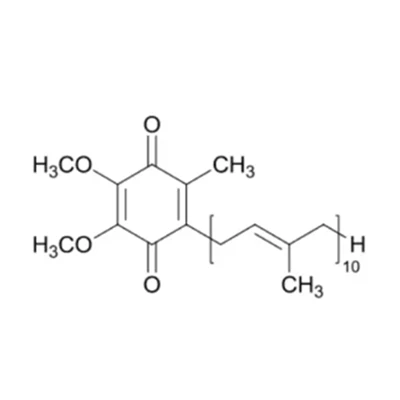
Let’s put this in perspective with other compounds you might be familiar with, just to make it relatable. If you’ve ever looked into Coenzyme Q10 CAS 303-98-0, that’s another antioxidant, but its structure has a different number of isoprene units and a quinone ring at the end, so it works a little differently in the mitochondria. And VitaminB1 CAS 67-03-8 is thiamine, a water-soluble vitamin with a totally different structure (it has a pyrimidine and thiazole ring) because it does a different job in energy metabolism. The point is, every CAS number is a unique molecular fingerprint— so when you order beta-carotene CAS 7235-40-7 from us, you’re getting that exact all-trans, symmetric C40H56 molecule, no shortcuts, no mixing with isomers or other carotenoids.
Now, as a supplier, I know a lot of you might be wondering why this molecular stuff matters when you’re placing an order. Let’s break that down for practical use:
-
Bioavailability: All-trans beta-carotene (CAS 7235-40-7) is absorbed better by the body than cis isomers, so if you’re making a supplement, you’ll get the vitamin A conversion and antioxidant benefits your customers expect. If you’re fortifying cereal or protein bars, you don’t want to use a lower-quality beta-carotene that breaks down during processing because of a wonky structure.
-
Stability: The conjugated double bond system in beta-carotene is sensitive to light and heat, right? But because we source our beta-carotene CAS 7235-40-7 from controlled, plant-based extraction processes (or certified synthetic, if that’s what you need— we do both), we stabilize it so it doesn’t degrade before it reaches your product. For example, if you’re making a liquid supplement, you need beta-carotene that stays suspended and doesn’t turn brown, which comes down to the purity of the molecular structure.
-
Regulatory Compliance: The FDA and EFSA both have strict standards for CAS numbers because they know each molecular structure has different safety profiles. Beta-carotene CAS 7235-40-7 is GRAS (Generally Recognized as Safe) for use in food, supplements, and cosmetics, so you don’t have to jump through extra hoops for regulatory approval when you source it from a trusted supplier like us. That’s a big pain point for brands— no one wants to delay a product launch because their ingredient isn’t correctly identified.
Wait, let’s also clear up a common misconception: some people think beta-carotene is just “plant vitamin A,” but the structure is different until your body processes it. Beta-carotene has that extra hydrocarbon chain and the two rings, so it’s not vitamin A until it’s cleaved. That’s why taking beta-carotene is a gentler way to get vitamin A, especially for people who are pregnant or breastfeeding— synthetic vitamin A can be toxic in high doses, but beta-carotene is converted only as much as your body needs, which is thanks to that molecular structure. That’s a huge selling point for our customers, and it all starts with the unique arrangement of atoms in CAS 7235-40-7.
Now, I know some of you are probably thinking, “Okay, but how does this affect my order?” Let’s be real— when you reach out to our team to source beta-carotene CAS 7235-40-7, you don’t need a PhD in molecular biology. But understanding that its structure is what makes it useful, stable, and compliant helps you make a better decision for your brand. We test every batch we sell to confirm the molecular structure— we use HPLC and NMR spectroscopy to make sure it’s pure, all-trans beta-carotene with the CAS 7235-40-7 identifier. No cut corners, no mislabeled batches, because we know our customers rely on our product to deliver for their end users.
A quick side note: if you’re curious about where beta-carotene comes from, we source both natural (from algae, which is a sustainable source) and synthetic beta-carotene, and every single one has the CAS number CAS 7235-40-7 because they have the same molecular structure. The only difference is the source, not the molecular fingerprint, so you can choose based on your brand’s sustainability goals or cost needs, and we’ll still provide the exact same structural consistency.
Let’s wrap this up with why it all matters. The molecular structure of beta-carotene CAS 7235-40-7 isn’t just a science term— it’s the reason it turns carrots orange, why it boosts vitamin A levels in the body, why it’s a powerful antioxidant, and why it’s such a popular ingredient across so many industries. As a supplier, our job is to make sure when you order this compound, you get the exact structure you need: the symmetric all-trans C40H56 molecule with the conjugated double bond system that delivers all those benefits.
If you’re ready to source beta-carotene CAS 7235-40-7 for your supplement line, food fortification, cosmetic products, or any other use, we’re here to help. Whether you need bulk quantities, specific purity levels, or just more details about how this structure works for your application, our team can walk you through every step. We also have other high-quality vitamins and ingredients available, like those linked above— Coenzyme Q10 CAS 303-98-0, Vitamin A CAS 68-26-8, and VitaminB1 CAS 67-03-8— so if you’re building a product line, we can be your one-stop shop for consistent, reliable ingredients.
Don’t hesitate to reach out to our team to discuss your beta-carotene needs, ask about batch specifications, or even talk through how to incorporate beta-carotene CAS 7235-40-7 into your existing formulations. We’re not just a supplier— we’re partners, and we care that your product works as well as it should, which starts with understanding the molecular structure of the ingredients we provide.
References:
- IUPAC. (2014). Nomenclature of Carotenoids. Pure and Applied Chemistry, 86(10), 1745-1840.
- Olson, J. A. (1989). Biological and clinical importance of carotenoids. The American Journal of Clinical Nutrition, 49(5 Suppl), 1152-1159.
- Scott, P. M., & Canfield, L. M. (1998). Analysis of carotenoids by high-performance liquid chromatography. Journal of Chromatography A, 812(1-2), 253-271.
- EFSA Panel on Food Additives and Nutrient Sources added to Food (ANS). (2017). Scientific opinion on the re-evaluation of beta-carotene (E160a) as a food additive. EFSA Journal, 15(10), 5008.
- PubChem. (2024). Beta-carotene (CAS No. 7235-40-7). Retrieved from PubChem Compound Database.